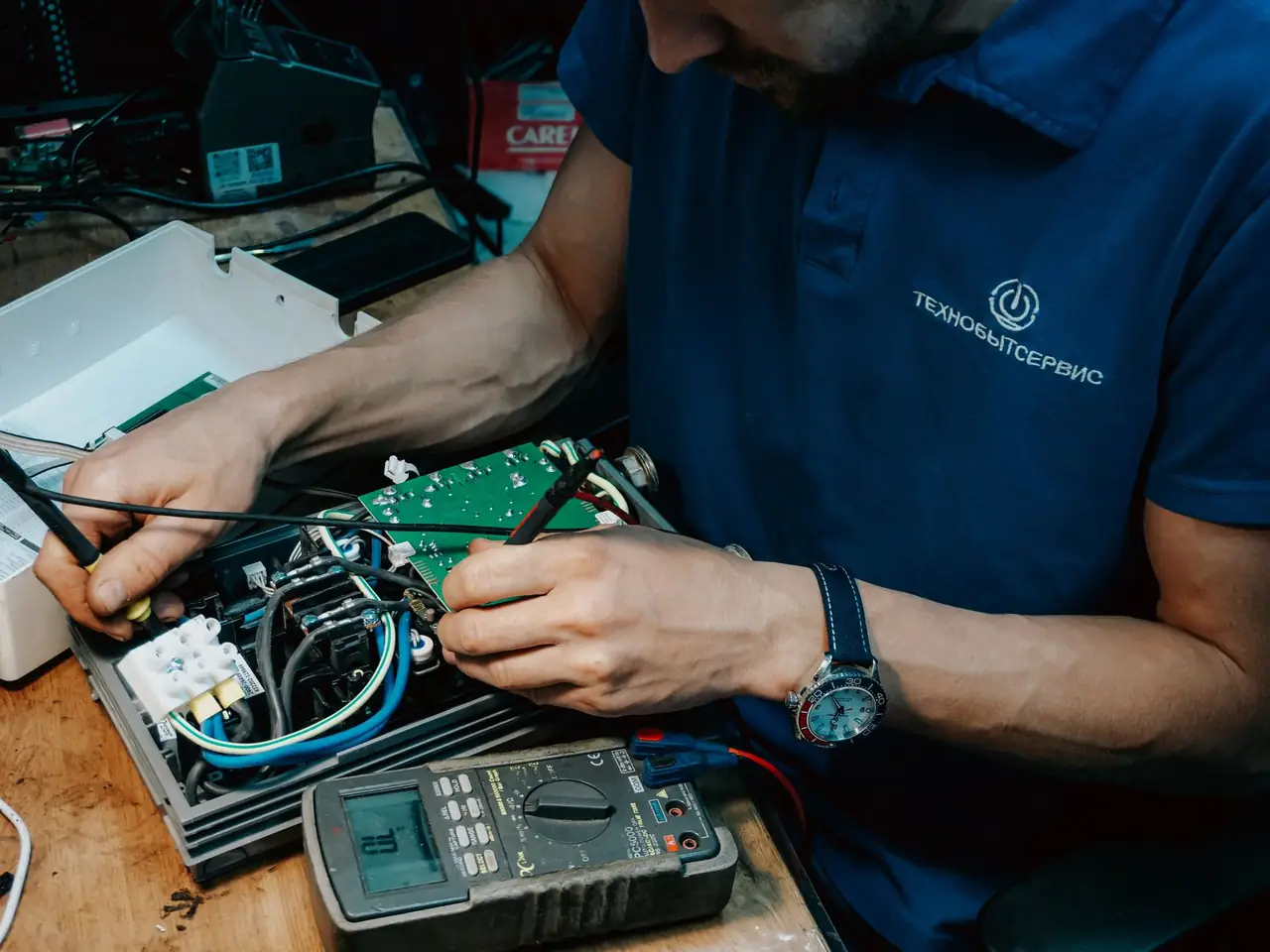
Water quality testing for your water heater: why it matters
Learn the importance of water quality testing for your water heater and how it impacts efficiency and safety in Torrance.
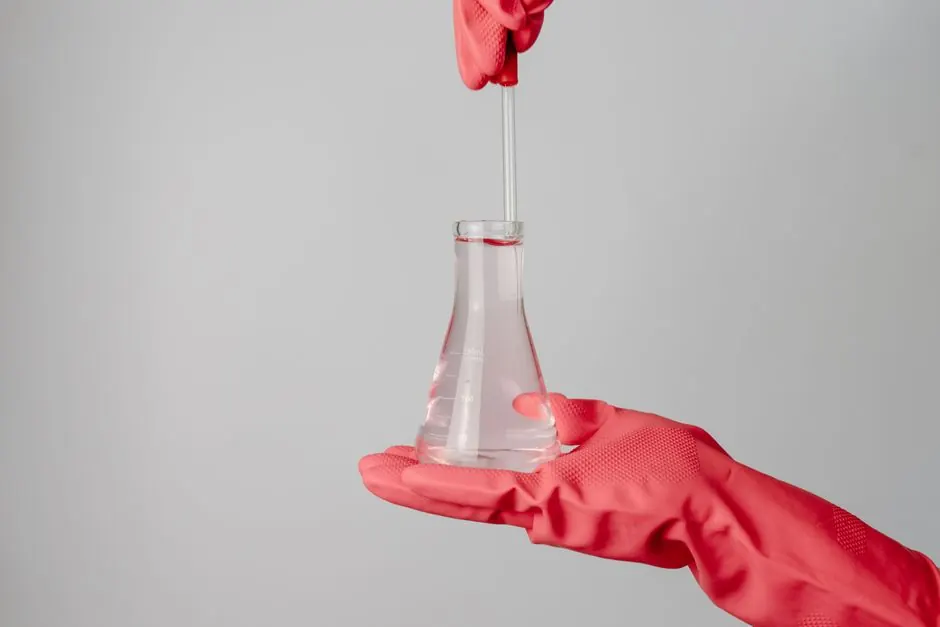
Water quality testing for your water heater is essential to ensure safe and efficient operation. Regular testing can reveal contaminants that may lead to costly repairs or health risks.
This article explores the significance of water quality testing, how often you should conduct it, common issues that arise, and when to call in professionals in Torrance.
Why Water Quality Testing Matters
Understanding the importance of water quality testing can save homeowners from unexpected failures. Contaminated water can lead to rust, scale buildup, and even the complete failure of your water heater.
What is Water Quality Testing?
Water quality testing is the process of analyzing water for various contaminants that could affect its safety and performance. This includes testing for pH levels, hardness, and the presence of metals such as lead or copper.
How Often Should You Test Water Quality?
Testing water quality should occur at least once a year. However, if you notice changes in water color, taste, or odor, testing should be done immediately. In Torrance, where older plumbing can be common, more frequent testing may be advisable.
Common Water Quality Issues Affecting Water Heaters
Several water quality issues can impact the efficiency of your water heater:
- Hard Water: High mineral content can lead to scale buildup, reducing efficiency.
- Rusty Water: Iron and other metals can corrode the tank, leading to leaks.
- High Chlorine Levels: This can damage the internal components of your heater.
Homeowners in North Torrance often report issues related to hard water, which can significantly affect water heater lifespan.
What to Watch Out For
Common mistakes include ignoring signs of water quality issues. Homeowners should be vigilant about:
- Unusual odors or tastes in hot water
- Discoloration of water
- Frequent repairs needed for the water heater
When to Call a Professional
If you suspect water quality issues are affecting your heater, it's time to consult a professional. Regular maintenance and inspection can prevent costly repairs down the line. Torrance Water Heater Repair Experts can provide comprehensive water heater inspection services in Torrance to ensure your system is functioning optimally.
Frequently Asked Questions
1. How can I test my water quality at home?
You can use home testing kits available at local hardware stores, which typically check for pH, hardness, and contaminants.
2. What are the signs of hard water?
Signs include scale buildup on fixtures, dry skin, and soap not lathering well.
3. How much does water quality testing cost?
In 2026, professional testing services in Torrance typically range from $100 to $200, depending on the extent of testing required.
4. Can poor water quality damage my water heater?
Yes, contaminants can lead to corrosion and scale buildup, significantly reducing the unit's lifespan.
5. How often should I flush my water heater?
It's recommended to flush your water heater at least once a year to remove sediment buildup.
Get Help with Water Heater Repair in Torrance
For effective solutions to your water heater issues, contact us today. Call us at 4243183997 for expert assistance in Torrance.